

Calico Aster: Unassuming, Indispensable


What makes a beautiful plant? Big, colorful flowers, lovely fall foliage, nice branching?
Calico Aster has none of these features, which may explain why you may never have heard of it.
With Symphyotrichum lateriflorum — half-inch blooms and leaning habit — the beauty is in the mission.
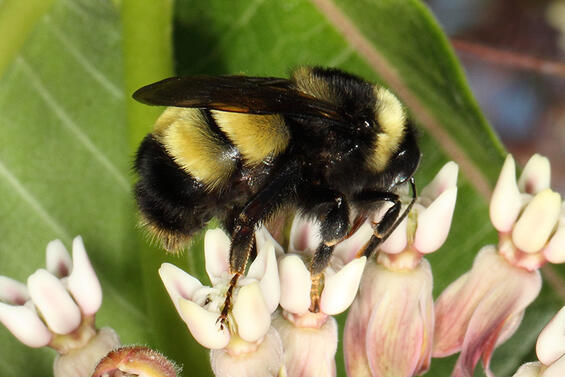
It feeds everyone: native bees, including bumblebees, wasps, flies, butterflies, and Monarch butterflies. It's also a larval host to five butterfly and moth species, including the Pearl Crescent, Green Owlet, and Harris's Checkerspot.
It also appears on Dr. Robert Gegear's plant list as a valuable resource for Bombus terricola — the Yellow-banded Bumblebee, now listed as Threatened in Vermont and Vulnerable globally.
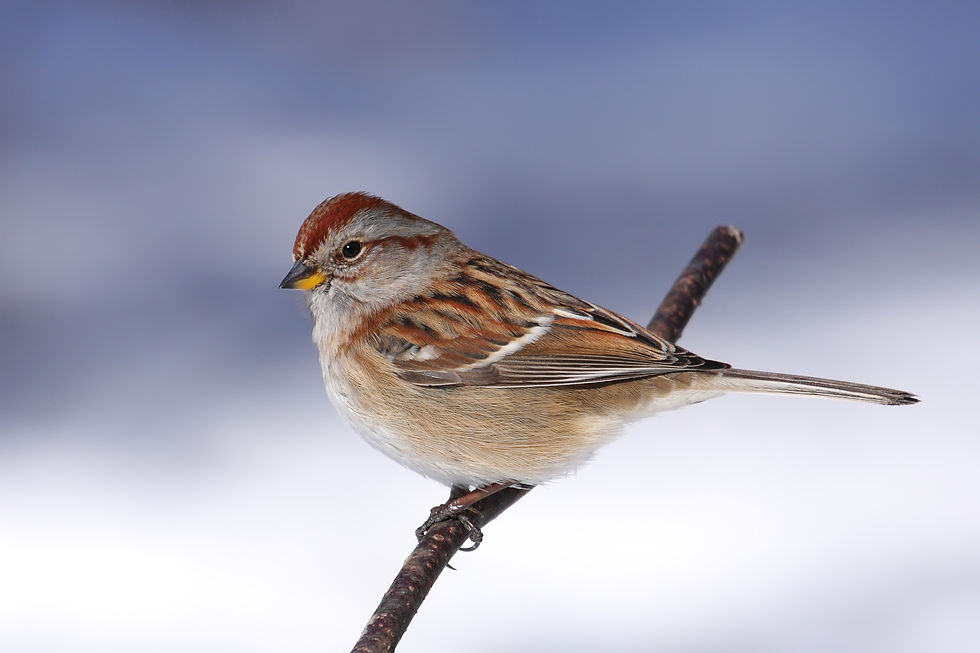
Love birds? American Tree Sparrows feed on the seeds, which blow all over the place after the flowers fade.
Fun fact: Its disc florets — those tiny flowers at the center of each bloom — start out pale yellow and gradually darken to reddish purple after pollination. Indeed, a single plant in full bloom displays multiple colors simultaneously — hence the name Calico.
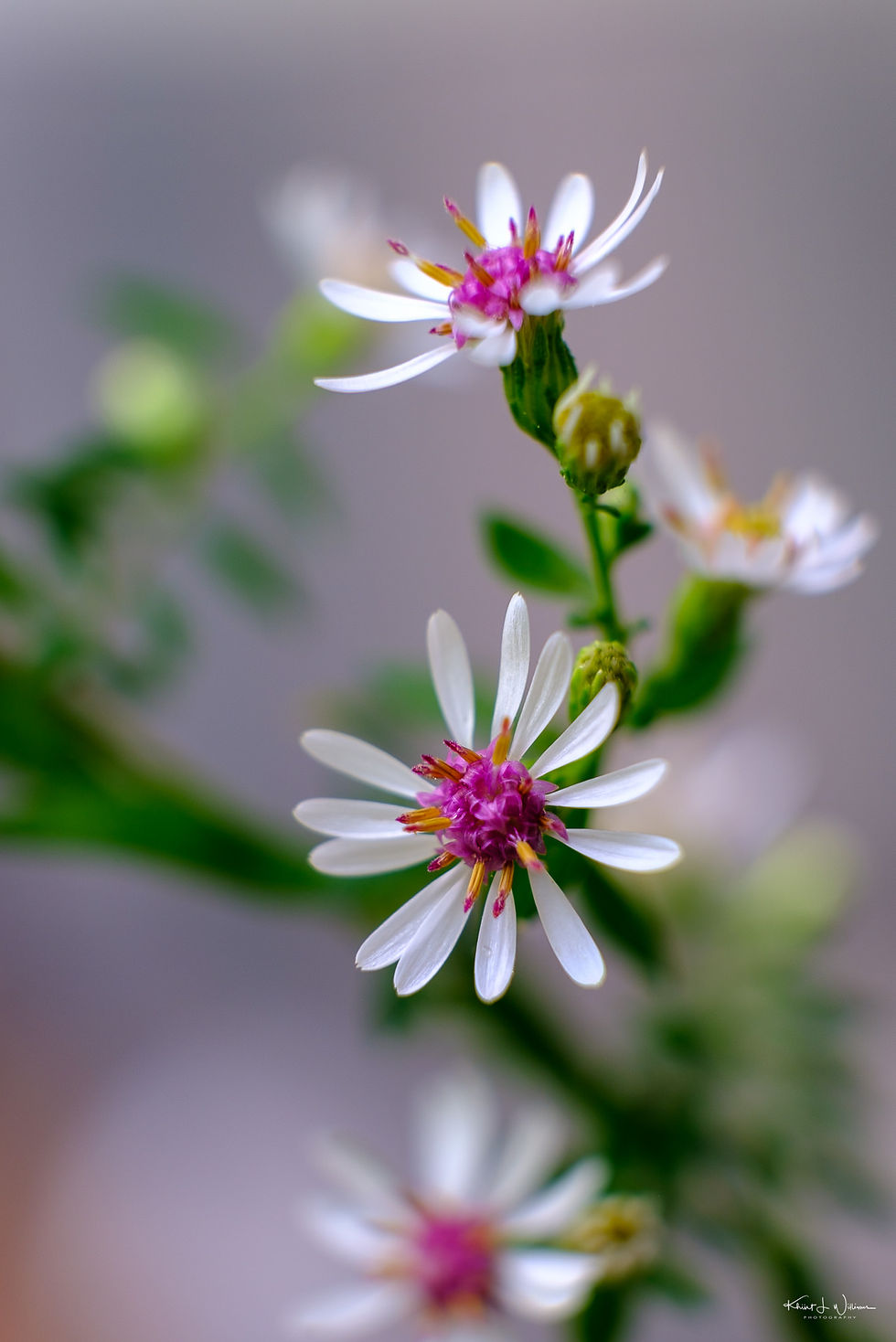
Calico Aster blooms from late summer through October — one of the last natives to flower, providing critical late-season nectar when most other plants have finished.
It easily grows in average, well-drained soils and prefers full to part sun, appreciating a bit of afternoon shade in hot spots. Clump-forming and two to four feet tall with a one- to two-foot spread, it makes a great garden plant — try it along walkways and in native and cottage gardens.
About the author

Jennifer Anderson owns Tree Talk Natives, a native tree and plant nursery along Massachusetts' South Shore. A former news reporter, she loves to write and talk about native plants. Jennifer also gives garden consultations and presentations on native plants. She can be reached at jennifer@treetalknatives.com.
Sources:
Bertkay, J. Calico Aster, You Win. Gardeninacity: Notes from a Wildlife Friendly Cottage Garden. Sept. 18, 2020
Native Aster Species for Northern Gardeners. Northern Gardener. May 12, 2021
Symphyotrichum lateriflorum. North Carolina Extension Gardener Plant Toolbox.
It's Time to Get To Know Calico Aster. Video, Forest Preserve District of Will County, Illinois.


There is quite a collection of these at Betsy"s Meadow in Mattapoisett. One day I was walking thru there to look at what we had planted and I heard a sound like a bee hive very near me. I looked down at the ground near my feet and saw a bunch of these beautiful little plants totally covered by the busiest and happiest bees ever! Quite a treat!