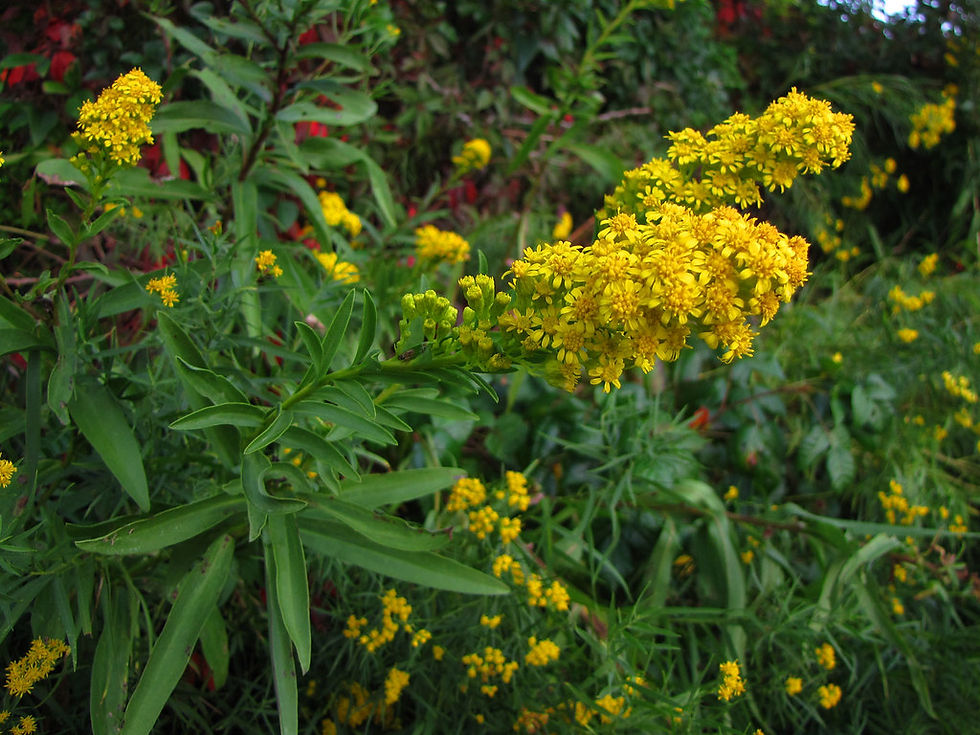
Spotted Bee Balm is one of the most interesting plants in flower. Each flower head protrudes via a stem out of the center of the previous flower. The rays emerge whitish and turn pale-yellow to lavender in time.
Pollinators love Spotted Bee Balm. Native wasps, especially, and bees swarm this plant, and it attracts Hummingbirds, Monarchs and other butterflies, moths and other flying things. Songbirds also like Spotted Bee Balm but deer and other mammals tend to leave it alone.
The Raspberry Pyrausta moth depends on Spotted Bee Balm as a larval host.
Spotted Bee Balm also is less aggressive than other members of the mint family, and it does a better job than most bee balms in tolerating drought and heat. Responds well to late-season pruning.
Fun Fact: The leaves smell like oregano.
Photo: Creative Commons